
Extend Your Backpack’s Life: Essential Care & Maintenance Guide
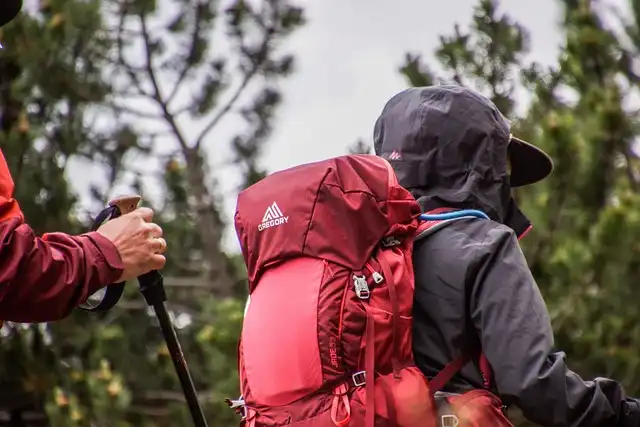
Ensure your backpack lasts for years with proper care. Hand-wash, protect from sun/grit, store correctly, respect load limits, and perform regular inspections to maintain its reliability for hiking, travel, and everyday adventures.
Effective Cleaning & Drying
For a much deeper tidy, hand-wash the pack with lukewarm water and light soap. Stay clear of bleach, severe cleaning agents and textile softeners, which can harm layers and compromise fibers. It is likewise best to prevent putting a backpack in the washing device, as the anxiety can damage clasps, misshape padding and concession water-resistant coatings.
Clean zip tracks sometimes with a wet cloth, particularly after coastline trips, dirty routes or wintertime make use of where salt may be present. Use a small quantity of zip lubricating substance or paraffin wax and carefully work the slider back and forth if a zip begins to feel stiff.
Shielding from Sun & Grit
Of course, you can not avoid sunlight when you are utilizing your knapsack outdoors. The secret is to prevent unneeded direct exposure in between journeys. Do not leave your pack for days in the back of a car, on a sunny windowsill or hanging outdoors once it is dry.
Dust, salt, sweat and grit are amongst the largest enemies of a backpack. Great bits function their means into seams, zips and fabric fibres, where they act like sandpaper each time the pack bends, moves or rubs on your back.
The majority of tactical backpacks do not fall short overnight. They use down gradually via dirt, dampness, straining, bad storage and the tiny bad habits that sneak in after muddy hikes, damp commutes or long days on the trail.
Smart Loading & Storage
Poor storage can reduce the life of a knapsack equally as much as rough use. Packing it into a limited cabinet or leaving it smashed under various other gear can distort extra padding, bend interior structures and create permanent folds in the textile.
Of training course, you can not avoid sunlight when you are using your backpack outdoors. Usage compression straps to stabilise the tons and prevent packing outside pockets until they strain.
The good news is that a few easy regimens can substantially expand the life of your pack. Whether you use your own for hiking, traveling, wild camping, travelling or as part of an emergency kit, appropriate care will certainly help maintain it comfortable, reliable and ready for the next experience.
Regular Inspections & Maintenance
Buckles, compression bands, breast bone bands and adjustment factors take a great deal of pressure, specifically when a pack is fully filled. A fast inspection after hefty use can avoid a small trouble from coming to be a trip-ending failure.
After a damp journey, vacant the bag completely and open up all areas. Remove any detachable pouches or liners and enable air to circulate through the entire pack. Do not place it directly on a radiator or beside a strong warmth source, as too much heat can harm coverings, foam and plastic parts.
Peter Watson is a writer, photographer and traveler. He has been to 100 countries and climbed the greatest mountains in Africa, Europe, South America and The United States and Canada– 4 of the 7 Tops. peterjohnwatson.com
A backpack may look efficient in lugging practically anything, but that does not imply it should. If the shoulder bands are noticeably extending, the joints are puckering, or the base is drooping, the lots is as well heavy.
Backpacks are frequently made from high-denier nylon or polyester, both of which are developed for tough use. However, prolonged direct exposure to ultraviolet light can progressively compromise artificial materials and fade colours.
Try to find fractured buckles, frayed webbing, loosened sewing or locations where straps are starting to stretch. Examine the shoulder band add-ons and haul handle very carefully, as these are high-stress locations.
A reliable knapsack should last for several years, but just if it is dealt with appropriately. Cleansing it after filthy journeys, drying it thoroughly, securing it from unneeded sun direct exposure, maintaining the zips and valuing its lots limitations will all help extend its life-span.
Pay certain interest to hidden corners, mesh compartments and zip tracks, where grit tends to accumulate. Clean the within and outside with a damp towel, then leave the pack open so it can broadcast properly.
Load heavier things close to your back and low generally area to boost balance. Usage compression straps to stabilise the tons and avoid packing outside pockets till they stress. If you consistently require to carry extra, it is better to update to a bigger pack than to force a smaller sized one past its layout.
It is also best to avoid putting a knapsack in the washing equipment, as the agitation can harm clasps, misshape padding and concession water-resistant finishes.
After a messy hike or sloppy journey, vacant every pocket and clean loose debris. Pay specific focus to hidden corners, mesh areas and zip tracks, where grit has a tendency to collect. Clean the inside and outdoors with a moist towel, after that leave the pack open so it can broadcast appropriately.
Store your knapsack in a trendy, completely dry place with the main compartment partially open. If possible, hang it from a sturdy hook by the haul take care of as opposed to by the shoulder straps, which can stretch gradually if left under tension.
An excellent knapsack is developed to lose, yet even the hardest package has its limitations. Heavy-duty material, reinforced sewing, durable fastenings and chunky zips can take care of years of use, given you take care of them properly.
1 Backpack care2 Cleaning tips
3 Outdoor gear maintenance
4 Product longevity
5 Smart storage
6 UV protection
« Le Corbusier’s Cité Frugès: Architectural Legacy in PessacVela Spila Cave: Ancient History & Island Ascent »