
Kenilworth Aquatic Gardens: D.C.’s Urban Oasis & Enduring Legacy
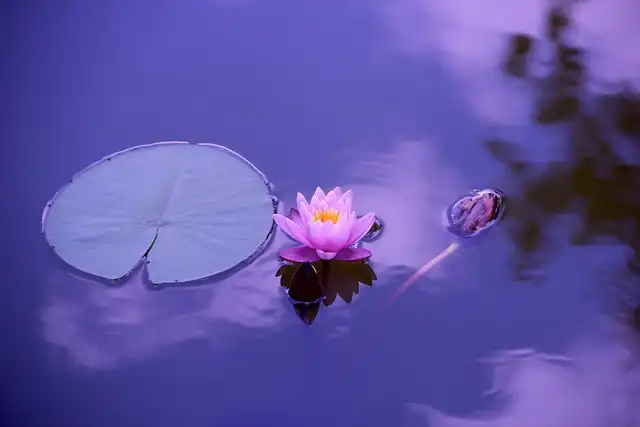
Discover Kenilworth Aquatic Gardens, a unique D.C. national park. Founded by Civil War veteran Walter B. Shaw and expanded by his daughter Helen, who fought government acquisition. It's now a vibrant, community-connected urban oasis, cherished for its lotuses, lilies, and diverse activities.
Gina: When you intend to see all these plants and blossoms blooming, and birds and butterflies, the summer season is the moment to find. The lotuses are the star due to the fact that they grow so tall. That’s truly what you see when you pertain to the gardens, due to the fact that it’s not simply small little plants. There are these big, attractive blossoms that grow in a variety of colors.
Gina: And we possibly might thank Helen for saving the yards by opening them up to visitors, due to the fact that people after that knew what existed. Maybe fair to state that had it continued to be a private company, and people really did not know about it, it can possibly be something totally different today.
Today, incidentally, Gina is not just a follower of the location. She’s in fact the interim executive director for the Pals of Kenilworth Aquatic Gardens. That’s an organization that cares for the park alongside the National Park Service.
The D.C. location in fact has a huge number of parks for the number of people that stay here, however you hardly ever see a garden, and you hardly ever see a marine yard; in reality, we’re the only marine garden that’s a nationwide park in the country.
Gina: He chose to dig a fish pond with one arm and planted these flowers, and they began blooming so carefully. A lot so, he dug extra ponds with one arm.
Kenilworth Today: A Hidden Urban Oasis
Kelly: Today, there are numerous means to enjoy the Kenilworth Aquatic Gardens. Birders and digital photographers enjoy it. There are fitness classes, so you can do yoga exercise and Pilates among the lilies. And simply in 2015, the Friends piloted a program to keep the park open late in the summertime.
Defending the Aquatic Gardens
If you can envision at that time, there were still several obstacles for females in America. She combated the federal government for her yard.
Gina: We do have works from Helen Shaw Fowler and her attorney at the time, kind of going back and forth. The government bought the land from Helen– begrudgingly on her component– and so Kenilworth Aquatic Gardens has actually been possessed by the National Park Service because.
Gina: Among the reasons we’re a hidden gem is due to the fact that we are concealed. Parks are pretty typical in the city. The D.C. area in fact has a multitude of parks for the variety of people that reside here, but you rarely see a garden, and you seldom see a water yard; in fact, we’re the only water yard that’s a national forest in the country.
Gina: Ultimately the Kenilworth area over the decades comes to be a mostly Black area. And because it’s a national forest website, I believe this is when they begin developing the fences that are currently around the yards for a range of factors. And the fences, they sort of bring some tension in the community.
Gina: We had some students can be found in recently for a field trip, and some surveillants– their moms and dads– came and they didn’t understand about the gardens. And when they walked through, the very first point they claimed was: “There’s a lake back here.” When the plants are not in bloom, it looks like a number of lakes.
Kelly: So allow’s speak about Helen versus the federal government. In the late 1930s, the government chose they wanted to own even more land along the Anacostia River since they wished to broaden public riverfront environment-friendly area and likewise do this large dredging job of the river’s mud flats as a method to combat insects and malaria. Every one of this would have damaged the water yards.
Gina: We have actually spoken with several locals of the Kenilworth area, of the Eastland Gardens neighborhood, of the Parkside neighborhood. Actually enjoyable stories from the 60s and the 70s, when they utilized to sneak right into the gardens in the wintertime because the fish ponds would certainly ice up and they would certainly ice skate around over the ponds.
From Private Garden to National Park
Kelly: So after that what occurs when a community garden becomes a national forest? As the Shaw Lily Firm, the park became part of life in the location, a location of recreation, a place of work. Yet after it became a national forest in 1938, the community around it started transforming.
Gina: He enjoys the gardens. He likes the yards, and I have asked him like, what would your great, terrific grandfather believe about this? I’m quite sure that Walter B. Shaw, when he started a leisure activity, did not think there would certainly be a 20,000-person celebration occurring, simply commemorating this garden, celebrating his production.
Helen Shaw: Expanding the Legacy
Kelly: And Helen increased the gardens from nine fish ponds to 42. She sourced new lilies from throughout the world, ultimately marketing 3,000 to 5,000 lilies every day. She was also the first woman in D.C. to hold a commercial chauffeur’s permit, which she made use of to deliver blossoms.
Kelly: I’m Kelly McEvers and this is Atlas Obscura, a celebration of the globe’s strange, amazing, and astounding areas. And today we’re going to an extremely uncommon nationwide park: a floating park, a sanctuary of fish ponds loaded with lilies and lotuses.
Gina Geffrard: In 2019, I recorded an episode of Residence Hunters. And among your houses on the program is across the street from the gardens. I keep in mind talking to the producers of the show, asking what is nearby. And they didn’t really understand, so we researched and we found out it was Kenilworth Park.
Kelly: Gina was on Residence Hunters wanting to buy in Washington, D.C.– specifically in the Kenilworth community, which is northeast of downtown along the Anacostia River. The area had this park that obtained Gina’s attention. It had great deals of routes. It was near the river. So rather soon after moving in, Gina would certainly go running and biking there.
Kelly: Residents strove to attach the yards with the area, like Walter McDowney, also referred to as “Ranger Mack”: a park ranger that matured nearby. He produced a jr ranger program to bring community children right into the yards. Still, Gina states that by the very early 2000s, many site visitors to the gardens were from out of community. This was around the time the Pals of the Aquatic Gardens created.
In the very early 1940s, the federally appointed D.C. government made an item of land right following to the water yards right into a gigantic land fill where garbage was freely shed. Throughout all these adjustments, the yards were still significant to individuals in the community.
You need to ask yourself just how they would have sent by mail fragile plants similar to this in the days before refrigeration or two-day shipping. One short article from the moment disclosed Walter’s method. He would certainly reduce the flowers first point in the early morning at 5 a.m., snugly wrap every one in thin sheets of lead, and after that in wax paper, and allegedly this way they might take on a week of travel. When they reached their destinations and were put in water, they would come back to life.
Last year, the Pals team aided to pay to staff the yards so we could be open up until 8 p.m.
Kelly: Entrance to the Kenilworth Aquatic Gardens is complimentary and does not require an entry pass. Where else can you stroll to breakfast via America’s earliest urban nationwide park or take pleasure in a nightcap with a few of our nation’s monoliths?
It’s been nearly 150 years since Walter Because Shaw dug his first lily initial. And today, the yards he left behind are as beautiful as any kind of nationwide park, however likewise component of individuals’s normal daily lives.
Gina: And after that she likewise opened the gardens to the general public. So this is when we have not simply the marketing of the plants and the flowers, but people from the general public pertaining to see this beautiful area that they created.
Kelly: So then what takes place when an area yard comes to be a national park? And since it’s a national park website, I think this is when they begin building the fences that are currently around the yards for a variety of factors. Kelly: Locals worked hard to connect the yards with the area, like Walter McDowney, additionally understood as “Ranger Mack”: a park ranger who expanded up across the road. And today, the yards he left behind are as lovely as any kind of national park, yet additionally part of people’s normal daily lives.
The Genesis: Walter B. Shaw’s Vision
Walter was initially from a little island off the coast of Maine, but in 1863, he signed up with the Union Military and the list below year, he saw some extremely intense battling in Virginia. Throughout the Battle of Spotsylvania Courthouse, Walter got fired. Doctors were able to save his life, but they did have to partly amputate his best arm.
Kelly: At initially, this was Walter’s side hustle, a hobby. One old newspaper short article stated he had difficulty with turtles consuming the roots of his plants, however over time, he built the service up.
Gina: So a number of volunteers who loved horticulture, that liked plants, that enjoyed the park, obtained with each other and informally started Close friends of Kenilworth Aquatic Gardens. And as the nonprofit expanded, it not only aided build volunteerism, but it assisted to link the connection between the National Park Service and the community– and till now, we’ve been doing the same thing.
Gina: … and to the left and to your right are extra trees. Maybe there’s some flowers growing on the ground, a lot of eco-friendly grass, and then at some point you pass a second collection of entrances. And after that when you go through that 2nd entrance, before you is just a big, vast number of fish ponds.
After the battle, Walter remained around Washington D.C. He actually totally relearned to compose utilizing his left hand, and he got a work working at the U.S. Treasury Division as a staff. Concerning a years passed, and Walter and his other half saved up some cash and purchased a little story of marshy land alongside the Anacostia River. And something about this land inspired Walter since soon he started, as he called it, playing in the water.
While Walter was out digging his ponds and taking care of his lilies, he had a regular buddy: his child, Helen. She was about 5 years of ages when they relocated to the marsh, and throughout her youth, she went out and aided her papa dig his lily fish ponds, learning all about the plants and business.
Gina: When Helen Shaw took it over, it really boomed. Helen started developing structures on the building, so the greenhouses you’ve seen are from the moment when she had the business, including the site visitor center, which is original, and 2 of the hothouses, which are original.
This episode was produced by Amanda McGowan. The manufacturing group for this episode consists of Dylan Thuras, Doug Baldinger, Kameel Stanley, Johanna Mayer, Manolo Morales, Jerome Campbell, Amanda McGowan, Alexa Lim, Casey Holford, and Luz Fleming.
1 Community engagement2 Helen Shaw Fowler
3 Kenilworth Aquatic Gardens
4 Urban national park
5 Walter B. Shaw
6 Water lilies
« NYC’s Great Trees: The Caucasian Wingnut at Brooklyn Botanic GardenEldon Hole: Myths, Mysteries, and Modern Exploration »