
Decoding ’67’: Gen Alpha, Kids Culture, and the Opies’ Legacy
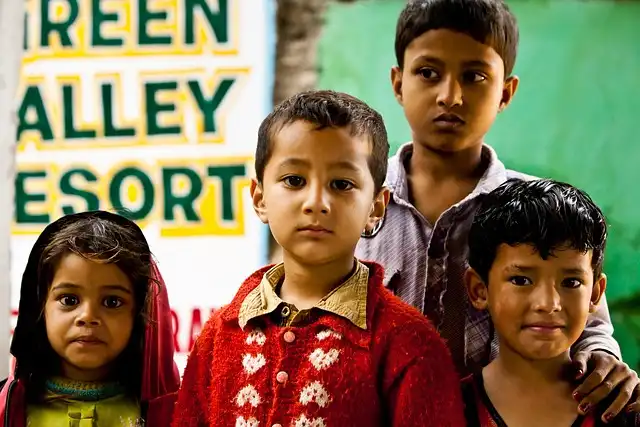
Explore Gen Alpha's '67' craze & its link to children's culture, echoing Iona & Peter Opie's research. Is it brainrot or a new playground language? The Opies' work reveals the historical roots of kids' traditions.
This whole “67” point might be foreign to you, yet you probably matured vocal singing “Miss Mary Mack” or shouting “Kobe!” or attracting a Superman “S” in your notebooks– or something along those lines. These are all examples of kids’s society examined by Iona and Peter Opie. And their job could be the key to finding the definition within the relatively worthless “67.”.
The Opies’ Pioneering Work on Children’s Culture
The Opies confirmed that childhood years culture was as alive and lively as it had ever been. Kids had their very own globe of tradition and superstition: knocking on their own heads for all the best as a result of “blockhead,” vernacular for moron, implied your head resembled timber; staying clear of stepping on splits in the sidewalk; sitting cross-legged completely luck during tests and tests.
Have you heard about 2025’s word of the year? Because it’s actually not a word, it’s causing a little bit of controversy. “67” (obvious six-seven) is popular with Gen Alpha, an expression usually gone along with by an up and down hand activity.
’67’: Gen Alpha’s Controversial Expression
So is “67” an indication that algorithms and displays are “ruining youth” with “brainrot?” Vice versa– this trendactually shows that despite a screen-mediated society youngsters are in fact taking care of to create brand-new access in the play area canon.
“67” (noticable six-seven) is all the craze with Gen Alpha, a phrase typically accompanied by an up and down hand movement.
The ridiculousness and pointlessness of “67” is possibly why it has actually prospered so extravagantly as a meme, breaking out of the class to come to be Word of the Year: it flawlessly encapsulates every little thing the Opies comprehended that children require out of their exclusive jokes.
The Enduring Nature of Children’s Language
Language is still new to them, and they find trouble in revealing themselves. When on their very own they burst right into rhyme, of no recognizable relevancy, as a cover in unanticipated situations, to pass off an uncomfortable conference, to fill a silence, to conceal a deeply really felt feeling, or in a gasp of enjoyment.”.
The “67” phenomenon has actually been, much like the rest of Gen Alpha’s vernacular, attributed to algorithms and brainrot society. But aside from its preliminary spread through TikTok, there’s very little that divides “67” from centuries of absurd, ridiculous kid society.
Their very first publication was a collection of nursery rhymes, however the Opies released countless publications which completely documented kid culture– not as it was born in mind by adults later on in life, but as it in fact was, existing and evolving in real-time.
And their job could be the key to discovering the definition within the seemingly worthless “67.”.
Numerous of the typical rhymes and knowledgeables precious by youngsters were located by the Opies to have originated, a lot like “67,” in the lyrics of popular songs. Unlike the uniqueness of “67,” one of the most remarkable qualities of this dental tradition was its historical nature. Songs viewed by children to be the hot brand-new thing on the play ground in fact had their origins in prominent tunes or rhymes of decades if not centuries previously.
Though it came from the lyrics of a song by Philadelphia rap artist Skrilla, and even because context does not mean anything particularly, it has actually come to be unavoidable in 2025, causing outright restrictions on the expression in class as well as substantial head scraping by parents.
The Opies’ Research Methodology
From the 1950s with the 1980s, Iona and Peter traveled throughout the UK, observing children on play areas and in institutions, tape-recording their rhymes and interviewing them about their leisure activities. They likewise developed a network of numerous instructors, moms and dads, academics, and youngsters themselves all over the English-speaking world, that submitted surveys and referred the Opies.
Much of the typical rhymes and verses precious by youngsters were discovered by the Opies to have actually stemmed, similar to “67,” in the lyrics of popular music. Unlike the uniqueness of “67,” one of the most fascinating qualities of this dental practice was its historic nature. Tunes regarded by kids to be the warm new point on the play area really had their origins in pop music or poems of decades if not centuries before.
Thousands of children ended up adding directly to the Opies’ fieldwork, and their lots of released books and substantial archive, currently held by Oxford’s Bodleian Collection, are an incredibly useful chest of firsthand documents of the lives of postwar kids in the UK and in other places.
The Opies took place, “And via these quaint prefabricated formulas the ridiculousness of life is underlined, the absurdity of the adult world and their teachers proclaimed, risk and death buffooned, and the curiosity of language itself is indulged in.”.
1 children culture2 Gen Alpha
3 Iona and Peter Opie
4 kids trends
5 playground language
6 the '67' meme
« Dominican Sushi: Daddy Ninja’s Fusion in KissimmeeOrleans Area: The Quest for the World’s Biggest Apple Pie »