
Olympic Traditions, Truce Walls & Museum: A Deep Dive
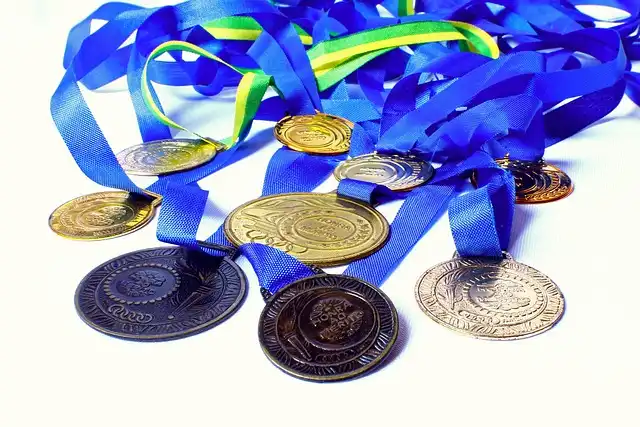
Olympic Games blend ancient traditions and modern ceremony. The Olympic Truce, revived in 1992, features 'Truce Walls' for messages. Lausanne's Olympic Museum, the 'Olympic Capital,' showcases Truce panels and offers accessibility with ticket details.
Enjoying the Olympic Games, it may frequently feel like they are as much concerning pomp and ceremony as they are about sporting activities. The International Olymic Board (IOC) has a lengthy list of protocols that require to happen during opening and closing events, the having fun of the Olympic and National Anthems and illumination of the flame, for instance; and medal ceremonies have comparable requirements. Taking a look at the Gamings of the 21st century, it ends up being clear that most of these traditions have their beginnings in the birth of the modern Games in 1896 Europe, a context of heroic perfects ruined by racist ideas of superiority; while various other customs can be mapped additionally back to the original games in Old Greece, where faith and routine were vital elements of the events.
Visiting the Olympic Museum
Tickets including the irreversible display are CHF20 for people aged 16 or above (more youthful site visitors enter totally free). Concession and group tickets are available at discounted rates. The gallery supplies several ease of access choices, featuring ramps and elevators in its inside.
Some of the panels for the London 2012 version, in which the Truce Wall surface was composed of clear acrylic “totems”, are on screen in the Swiss city understood as the Olympic Resources due to its holding of the IOC. Heavily-signed, these panels center a section of the Gallery devoted to the Olympic Truce, which is additionally represented in the Museum’s gardens with a sculpture by musician Rosa Serra from Spain.
Entrance to the Olympic Museum’s irreversible display is needed in order to check out the Truce Wall surface. Opening up times are 9am to 6pm, Tuesday to Sunday. The gallery will certainly open up on this routine on Mondays, only if it occurs to be a public holiday for the Canton of Vaud.
The Olympic Truce: History and Representation
With the “homecoming” Athens 2004 Summertimes Games, the Truce started being represented by a wall or mural, a physical installment in the Olympic Village, on which athletes, volunteers and periodically the public might leave devotions and messages desiring the Truce’s perfect of tranquility. These Truce Wall surfaces have included numerous products, from tiles in Rio 2016 to wood for Tokyo 2020. After the corresponding Games and Truce, the wall/mural is delegated the host city, some of which have actually repurposed the products, kept the items in storage or presented them in local galleries.
Seeing the Olympic Gamings, it may commonly really feel like they are as much about pomp and event as they are regarding sporting activities. In 1992, a previously-abandoned custom of the Gamings was restored, at least in theory: the Olympic Truce. The 1994 Lillehammer Winter Months Games were the very first for which the Head of state of the UN General Setting up requested the observance of an Olympic Truce. With the “homecoming” Athens 2004 Summertimes Games, the Truce began being stood for by a wall surface or mural, a physical installation in the Olympic Village, on which athletes, volunteers and periodically the basic public might leave messages and devotions aiming to the Truce’s ideal of tranquility.
In 1992, a previously-abandoned custom of the Games was restored, at the very least in concept: the Olympic Truce. The 1994 Lillehammer Winter Months Gamings were the very first for which the Head of state of the UN General Assembly requested the observance of an Olympic Truce.
1 Ancient Greece rituals2 Modern Olympic Games
3 Olympic Games traditions
4 Olympic Museum
5 Olympic Truce
6 Truce Wall
« Huta Pokój Blast Furnace: An Authentic Relic of Poland’s Industrial PastPollsmoor Prison Restaurant: Rehabilitation & Budget Dining »