
Carlow Castle: History, Siege, and Ruin
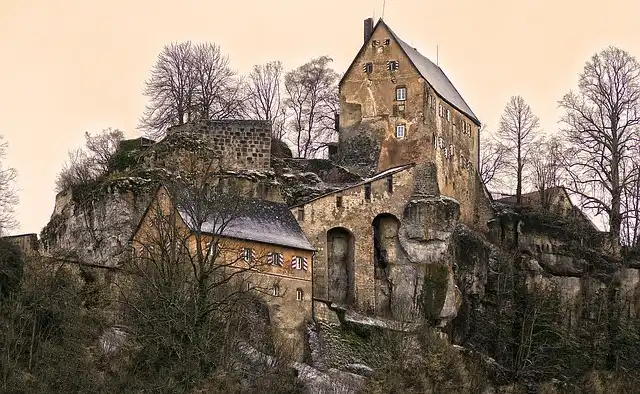
Carlow Castle, a former trading hub built in the 13th century, withstood sieges until Cromwell's conquest. Later, destructive renovations led to its ruin, leaving only the western wall standing. Explore Irish history and castle ruins.
Rectangle-shaped with a rounded tower at each corner, the castle’s style had a lot more in usual with fortresses from western France than with those in Ireland. The castle defenses, including its 2.7-meter-thick walls, were significantly upgraded, and a 3rd tale was added to the top.
Struck numerous times, Carlow Castle was never ever taken by armed forces pressure till 1650. As Oliver Cromwell and his frustrating number of troops, equipped with artillery, neared the castle throughout his occupation of Ireland, Carlow immediately surrendered. It passed in between several aristocrats throughout the next 150 years.
Early History & Strategic Location
Developed on the damages of a previous fortification in the very early 13th century, Carlow Castle was a trading hub along the convergence of the Barrow and Burren rivers for hundreds of years. Attacked several times, Carlow Castle was never taken by military pressure until 1650. As Oliver Cromwell and his frustrating number of soldiers, geared up with artillery, neared the castle throughout his conquest of Ireland, Carlow promptly surrendered.
In 1812, a member of the Irish Parliament rented Carlow Castle to Dr. Phillip Parry Middleton, that intended to turn the old building right into a psychological institution. Middleton, a progressive doctor treating mental individuals virtually a century prior to Freud, believed he can acquire important room by developing passages under the castle and lowering the density of its walls.
If it had actually been protected, Carlow Castle would have been comparable in size and elegance to Kilkenny Castle– one of Ireland’s leading tourist destinations. Today the shed towers of Carlow Castle are noted by rows of nicely cut bushes and birch trees, providing site visitors a feeling of the full range of what as soon as stood there.
Middleton’s Destructive Renovation
Much better in medication than demolition, Middleton utilized an excessive quantity of explosive fees to clear out the inside of the castle, damaging more than half the structure in the procedure. Today, only the western wall surface continues to be.
Improved the damages of a previous fortification in the early 13th century, Carlow Castle was a trading center along the convergence of the Barrow and Burren rivers for hundreds of years. Its building and construction is attributed to William Marshal, often referred to as “the best knight who ever lived,” and the follower of Richard “Strongbow” de Clare. With damp bogland surrounding all sides, the castle was basically improved an island.
1 Carlow Castle2 Castle Ruins
3 Irish history
4 Oliver Cromwell
5 Trading Hub
6 William Marshal
« Parisian Public Urinals: History and Hidden UsesPseudobombax Trees of Oaxaca: History & Heritage »